
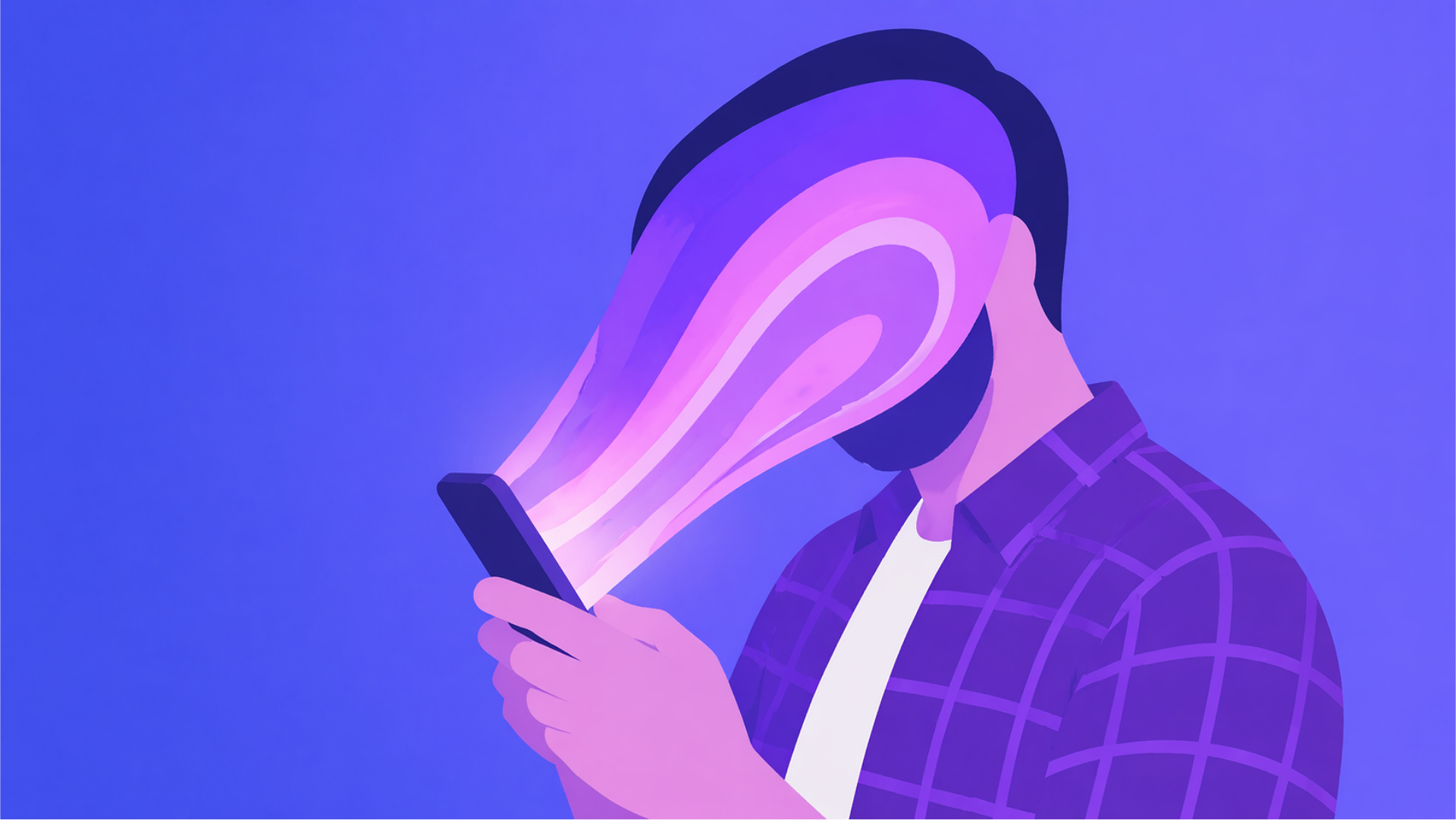
It’s the first thing you grab when you wake up in the morning. It’s the last thing you touch before falling asleep at night. It’s never out of arms reach. You check in on it when walking from one room to another. It’s on your mind when you’re talking to another person, in a meeting or relaxing after a hard day. It’s not a loved one or medical device. It’s your phone. You’re addicted to it and you don’t know how to break the cycle of endless scrolling and compulsive checking. But there’s a solution. A practice that can help you break the routine and prove to yourself you don’t need to be constantly connected to the modern matrix of brainrot and scrolling: The Digital Sabbath.
What is a Digital Sabbath? Airplane Mode for your Soul
A “Digital Sabbath” is a recurring, intentional break from screens and the consumption of digital media. It typically consists of a 24 hour period once a week where an individual completely powers down all handheld devices and focuses on simply “being”. It’s one day a week where you purposefully escape the bottomless newsfeeds of Instragram, Tik Tok and the 24 hour news cycle. A digital sabbath is a crash course in mindfulness. An opportunity to be bored. A chance to reconnect with the real world.
You may have already heard the term “digital detox“. Which is a set period of time where an individual steers clear of devices and social media sites that have become such an integral part of modern life. A digital sabbath is similar, but the main difference is that a digital sabbath is a repeated, consistent implementation of a digital detox. A digital detox can be a one-off experience. A digital sabbath occurs on a regular weekly or monthly cadence.
Why Should You Start a Digital Sabbath Practice?
The average American spends approximately five hours a day on their phone. This measures out to about 76 full days a year starting at that little dopamine-sucking device. That means, over the course of a lifetime, you’ll lose approximately eleven years to scrolling on your phone. We check our phones around two hundred times a day, or once every five and a half minutes. 81% of Americans check their phone within ten minutes of waking up. 3,208 people die and 315,167 people in the U.S. are injured in car accidents related to distracted driving caused by phone usage every year.
If the sheer amount of time you’re losing isn’t enough to shock you into starting your own Digital Sabbath practice, the cognitive effects of that lost time might be enough to push you over the edge. Studies show that individuals that check their phones over one hundred times a day often display poorer attention spans, more memory lapses and greater cognitive failures compared to their phone free peers. Low phone battery has been proven to cause higher rates of anxiety in adults and children alike. The list of negative effects compulsive phone usage has on your mental and emotional wellbeing is longer than the number of apps in the Apple app store.

Setting Ground Rules For Your Own Digital Sabbath. Closing Your Apps and Opening Your Awareness
There are no hard and fast rules around what a digital sabbath should be. It’s up to the individual. Ask yourself what you’re looking to get out of setting up a regular break from the digital world. Do you want a more mindful life? A dedicated time to reset from the rigor and mental burden of being constantly connected to the digital world? Or simply an opportunity to connect to your hobbies? Spend more time with your family? Or explore your core values without the constant distraction of notifications from your phone?
The experience of a digital sabbath can be as unique and varied as you want it to be. But here are a few ground rules and tips and tricks many people follow as a framework for their own experiences:
- Turn off and put down the phone – This is the simplest, yet sometimes most difficult solution. Many proponents of the digital sabbath suggest just turning the phone off for a full 24 hours. Get an alarm clock to wake you up in the morning. Buy a landline or VOIP phone for emergencies. Fully disconnect. Unfortunately, going all Henry David Thoreau isn’t realistic for most people.
- Leverage App Blockers -You can also leverage one of the many app blockers available today. Many smartphones on the market today have built in applications that allow you to transform your smartphone into a “dumbphone”. These apps allow you to turn off the distracting apps, like social media and games, while allowing you to still leverage messaging and standard phone capabilities. You can shut off specific Apps & Features on the Iphone via the “Screen Time” menu. Google devices have a similar “Digital Wellbeing” app. Alternatively, you can leverage one of the many 3rd party apps available. There are app like Opal. Which is designed to eliminate distracting aspects of your phone. There are even physical devices like Brick which fulfill the same purpose as an app blocker but require a physical device to unlock your phone, making it more difficult to override the beneficial function of a traditional app blocker.
- Leverage a SmartWatch – Smartwatches are essentially smartphones without the big screen. Their design limits the potential of their distractive capabilities. There are still the pings and notifications from email, messages and push notifications, but you won’t catch yourself scrolling social media or watching videos on YouTube. The smaller the screen, the less likely you are to lose yourself in the void.
- Rearrange your Homescreen – Make your phone as inconvenient as possible. Put the distracting apps all on the same page of your homescreen and format your phone so you have to scroll several pages over to access them. The further you have to scroll to get to a specific app, the less likely you are to use it.
- Turn off Notifications – Push notifications are designed to suck you into a specific app after a period of inactivity. Do you really need to know when a specific person has posted on Instagram the moment they did so? Do you want to get distracted by social media every time you check your email? Turn off notifications from non-essential apps to avoid the possibility of checking them subconsciously every time you pick up your phone.
- Delete the Worst Offenders – Find yourself compulsively opening a specific app every time you pick up your phone? Simply delete it! If you ever need it you can redownload from the app store. But having to go through the tedious process of downloading and logging in to the app every time you go to use it will give you time to pause and ask yourself “Do I really want or need to use this app right now?”
- Decide Where to Draw the Line – Will you give up all screens for your digital sabbath? Will you allow yourself to watch “the big screen”? Or possibly a desktop computer? Or maybe shut down all screens to be sure? While most people generally recommend shutting off all screens, some people allow themselves access to traditional T.V. or computers they can’t carry around in their pockets. Generally, the inconvenience of having to go to the “computer room” of find something to watch on traditional linear T.V. is sometimes enough to create the mental break you need.
- Surround Yourself with More Mindful Activities – Touch Grass. Not Your Screen. Prepare some alternative activities to keep you busy. Whether that be placing some of your favorite magazines or other forms of print media to fill the time. Leaving art supplies around for easy access. Or making your favorite musical instruments or records available within arms reach. Go ahead and make it easy for yourself. Modern people spend a lot of time on their phones because of the convenience and easy access to those devices. Surrounding yourself with alternatives could motivate you to engage with those instead of your phone.
Learn More About the Impact of Technology on Your Mental Health and the Benefits of a “Digital Sabbath”
In this article we were only able to scratch the surface of the impact Smartphones and tech have on our mental health and society as a whole. Check out the following books(yes, real physical books!) for more info. Not only will they educate you, but they might help you keep your hands and attention off your phone!
- How to Break Up with Your Phone: The 30-Day Plan to Take Back Your Life by Catherine Anne Price: a practical, evidence-based 30-day digital detox plan that will help you break up, and then make up in a healthy way, with your phone. The goal: better mental health, improved screen/life balance®, and a long-term relationship with technology that feels good.
- The Anxious Generation: How the Great Rewiring of Childhood Is Causing an Epidemic of Mental Illness by Jonathan Haidt: A science-backed examination that shows how smartphones, social media, and helicopter parenting have led to a decline in young people’s mental health. It offers actionable solutions to help both our kids and ourselves become mature, emotionally stable adults.
- Stolen Focus: Why You Can’t Pay Attention–and How to Think Deeply Again by Johann Hari: Hari explains why our attention spans have been dwindling for decades. And furthermore, how technology accelerates this worrying trend. He provides solutions as to what we can do to reclaim our focus and thus our capacity to live meaningful lives.
- Glow Kids: How Screen Addiction Is Hijacking Our Kids – and How to Break the Trance by Nicholas Kardaras: Kardaras argues that excessive screen time acts as “digital cocaine”. Effectively altering children’s developing brains and fueling tech addiction. The book links this to rising mental health issues while offering strategies for a “digital detox” to reset brain reward systems.
- Make Time: How to Focus on What Matters Every Day by Jake Knapp: a practical guide to intentionally designing your day around what matters most, reducing distractions, and creating space for focused attention. It connects to phone addiction by encouraging you to take control of your attention. Rather than letting notifications and apps dictate your time, helping you build more mindful and purposeful habits.