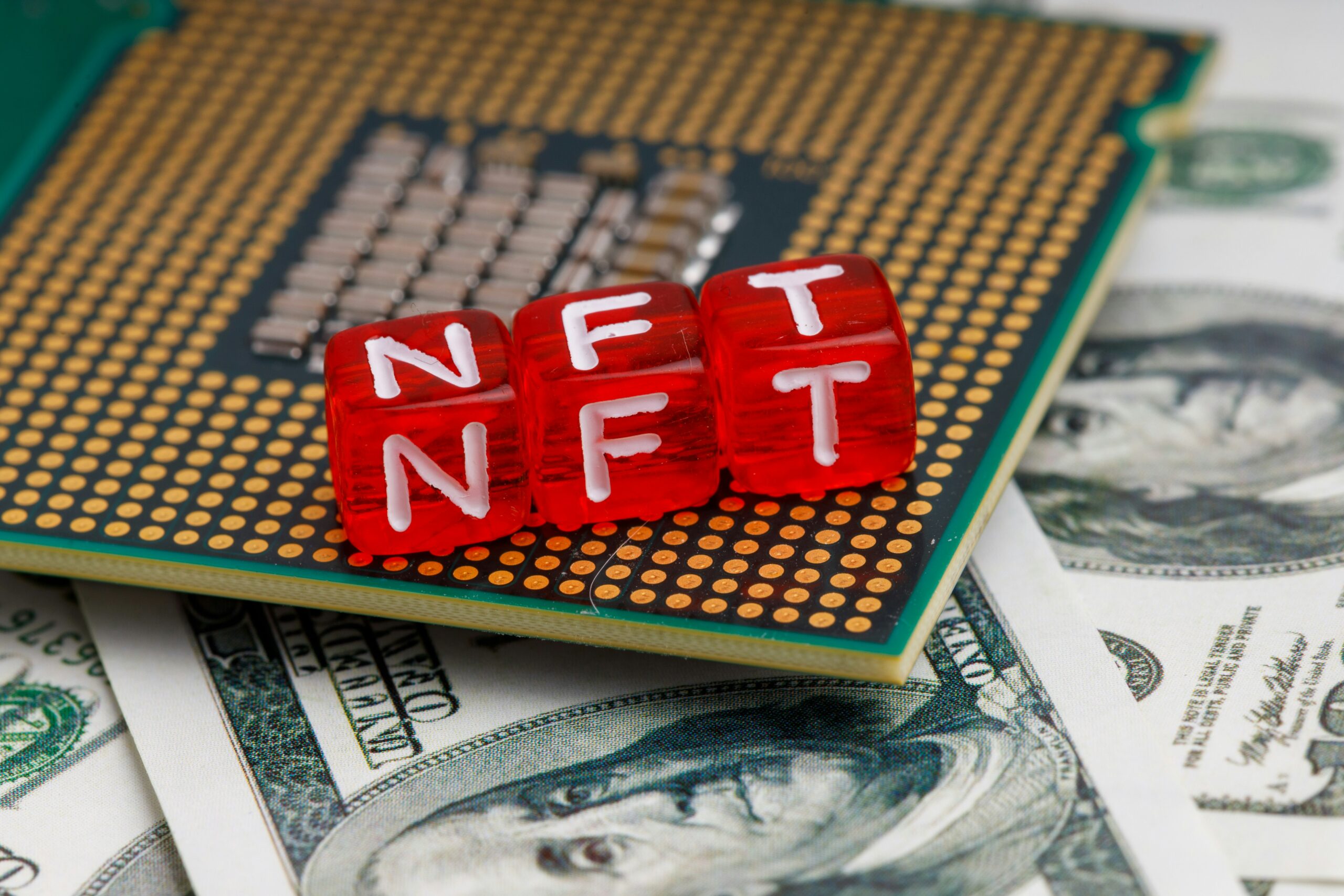
The NFT art fad has come and gone. Leaving some savvy early adopters with their pockets lined with gold and others holding the bag. While some people may have been separated from their hard earned dollars, they are now rich in knowledge about the Buddhist concept of non-attachment, dependent origination and Right Livelihood. Learnings on this often misunderstood concept came from the most unlikely of places, digital image files of cartoon apes.
What is an NFT Anyway? And what do monkeys have to do with it?
For those of you that missed it, NFTs invaded the cultural zeitgeist in 2021. Investors and creators alike were caught up in the frenzy as people bought up NFTs as quickly as artists could pump them out. But, what is an NFT anyway? An NFT, or Non-Fungible Token, leverages blockchain technology to create unique identifiers that differentiate one digital asset from another. To put it in the most simple terms possible, it’s a way to declare and prove ownership of digital goods. The technology is most commonly used in cryptocurrencies like Bitcoin, but in the year 2021 it saw a massive boom in usage when it was utilized to prove ownership of digital art.
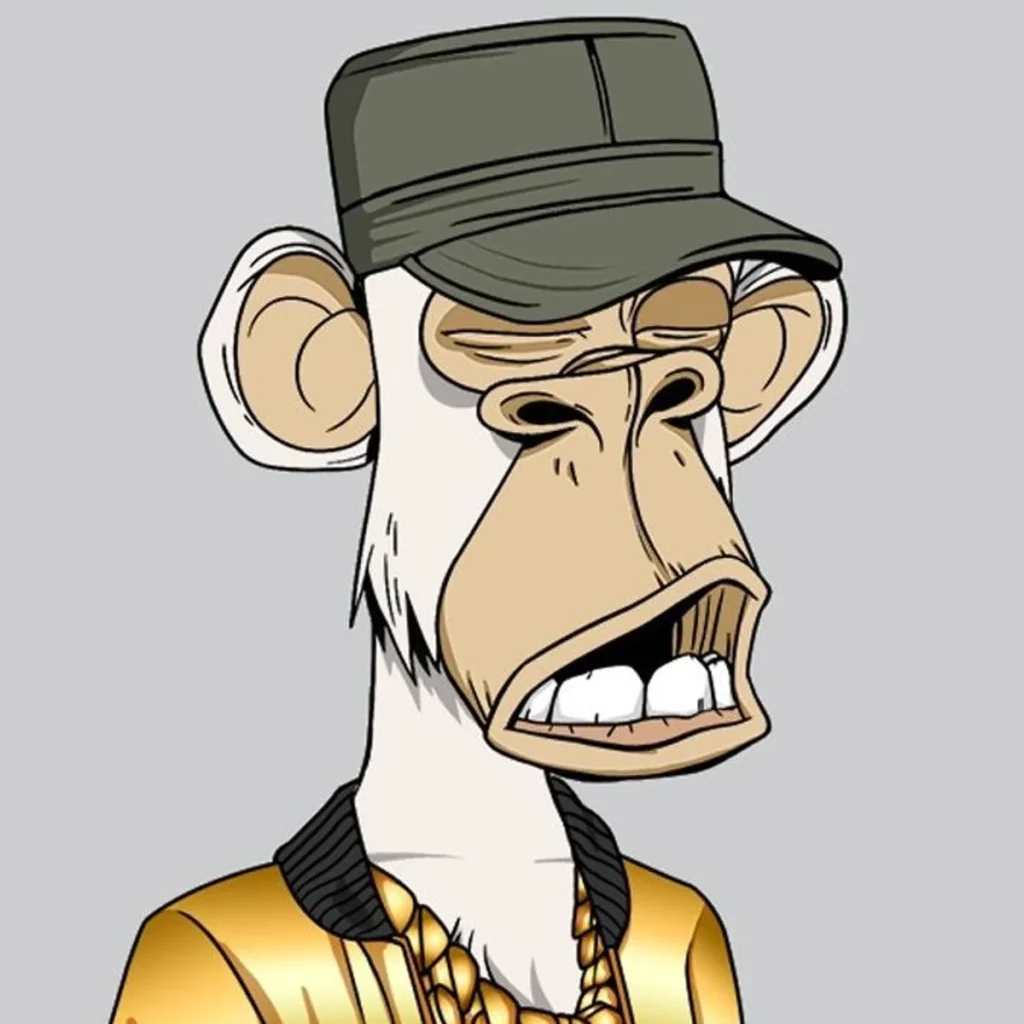
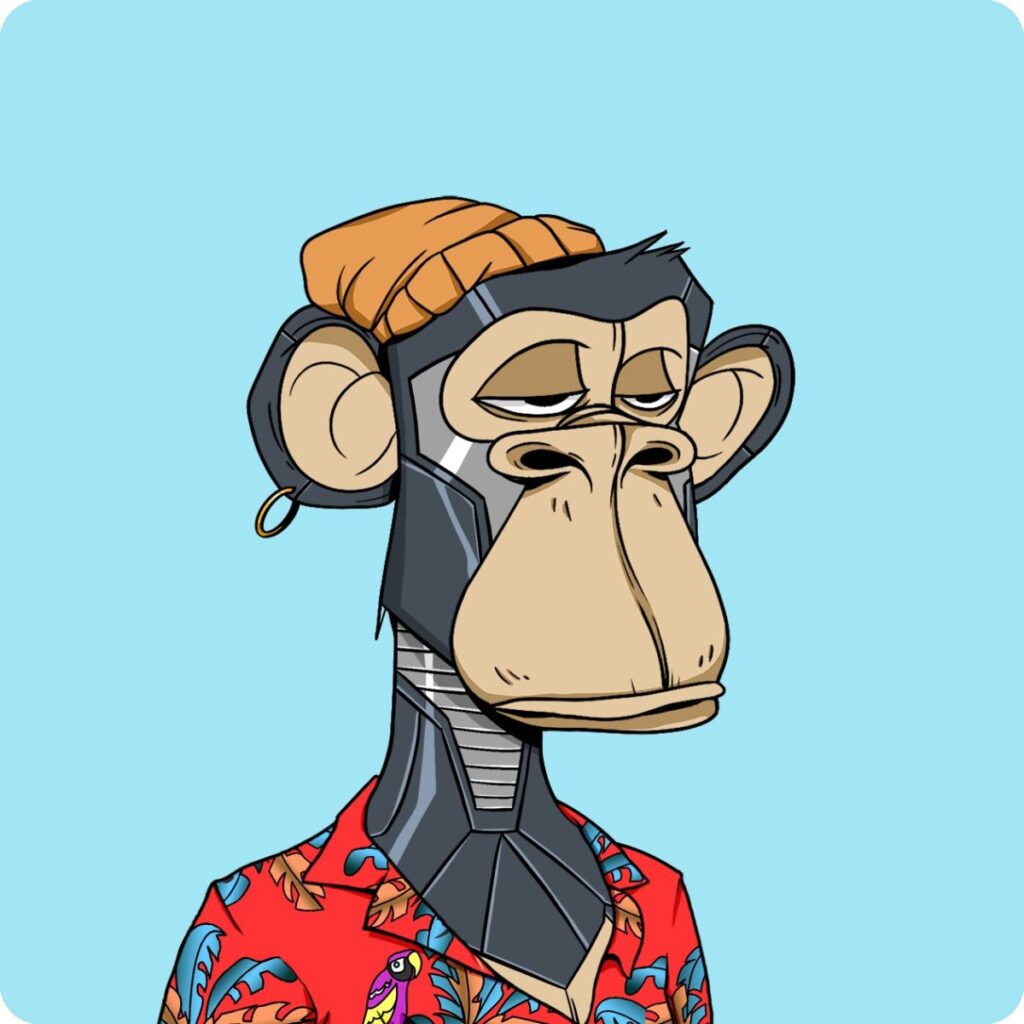
The most prominent example of NFTs being leveraged for art is the Bored Ape Yacht Club (BAYC). They were, and still are, digital images of various ape characters that individuals could purchase the “original” versions of. The owners of the BAYC branded the images as “a unique unit of data recorded in a digital blockchain, which permanently records its provenance or sales history”. The images were an instant hit with the general public. Celebrities like Justin Bieber, Stephen Curry, Jimmy Fallon, Snoop Dogg, and Shaquille O’Neal also joined the fray. The sky was the limit for NFT investors, that is, until the crash.

From Blockchain to Bodhi Tree: Enlightenment via JPEG
DappGambl researchers state that the asset class peaked at $21 billion before crashing back down to Earth. Over 95% of NFTs created in the 2021-2022 NFT craze are now worthless. But what does this have to do with Buddhism? Non-attachment, dependent origination and Right Livelihood. Buddhism doesn’t directly condemn making money. However, it does emphasize using wealth wisely and avoiding attachment to it. The Nobel Eightfold path also incorporates “Right Livelihood” as a way to reach enlightenment. On their own, NFTs are not inherently good or bad. Like all things in samsara they are interdependent and our perception of them is based on dependent origination. If we step back, and view NFT mania from a Buddhist lens, we can glean valuable lessons from the Buddha’s Dharma on Right Livelihood and non-attachment.
How to Let Go of Your Ape (and Your Ego)
Before we can understand non-attachment, we need to understand Dependent Origination. Some people also refer to Dependent Origination as conditioned co-arising.It is the idea that everything that exists is dependent on something else. Nothing exists separate from everything else. Their interrelatedness to everything else conditions all things and our perception of them. It helps to think of the world and universe as a massive spiderweb. With each item connected to every other through a vast network of strings. Take a hammer for example.
At birth, a person would not be able to recognize a hammer as a hammer. There needs to be context. In order to understand what a hammer is you need to understand it’s purpose. You need to know what a nail is and understand that people use a hammer to drive nails into boards. You need to understand what a handyman is, and that he uses the hammer as a tool to accomplish his job. On its own, a hammer is a stick with metal attached to the tip. Nothing more. It only becomes a hammer when you integrate all of the other knowledge you have about things and objects tangentially related to hammers.
You might be wondering: What does this have to do with NFTs? Well, Dependent origination assigned sudden value to these formerly worthless pieces of digital art. As a society, we quickly decided that NFTs were valuable. As a whole, we assigned massive value to these images. The endorsements from celebrities, the previous success of other blockchain ventures like Bitcoin, and clever marketing campaigns from organizations like the Bored Ape Yacht Club influenced our perception on NFTs and made these intangible items massively valuable almost overnight.
Dependent Origination created the value of these NFTs. Dependent Origination was also the catalyst for these images suddenly losing their value as well. The public quickly turned on the NFTs and dediced they were nothing more than a gimmick or fad. The Buddhist concept of Non-attachment is a tool investors could use to lessen the burn of losing all their cash.
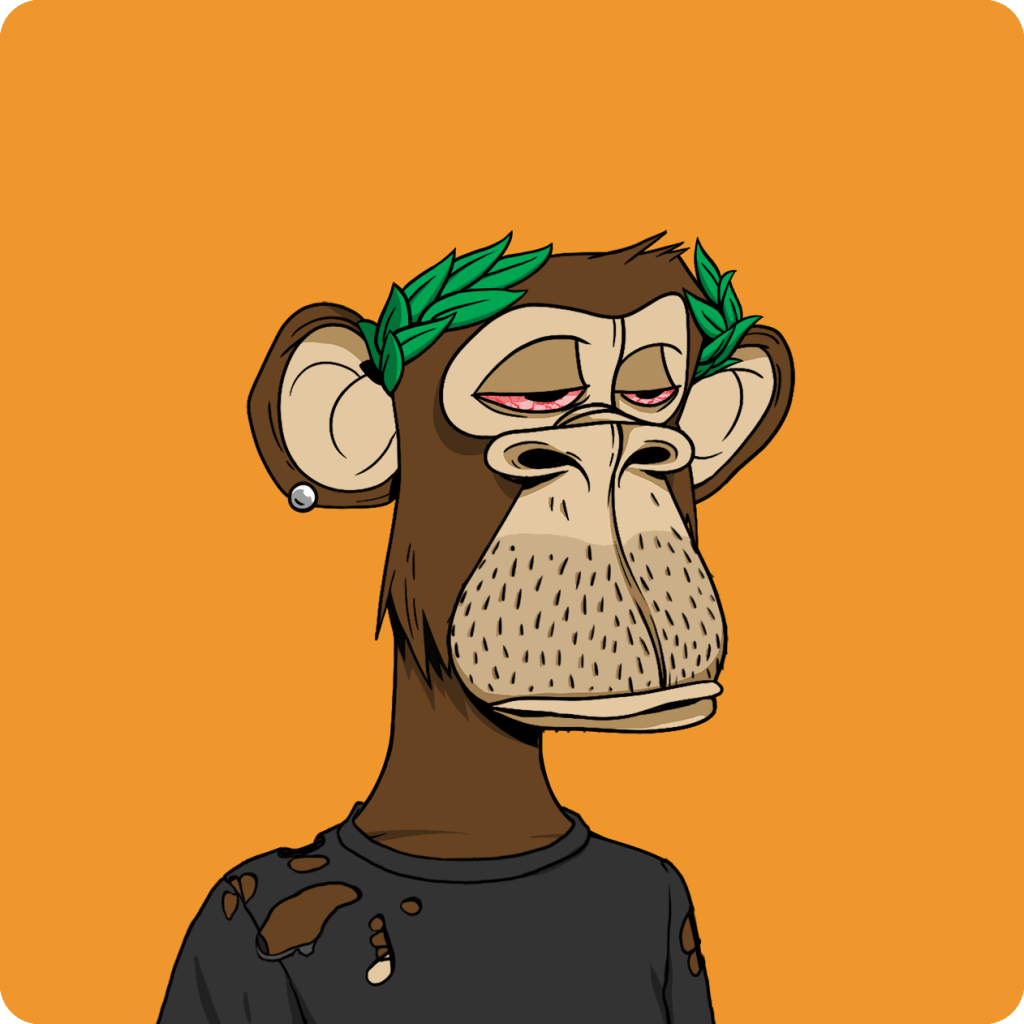
Diamond Hands, Empty Wallets, Open Heart
Non-attachment is the concept of letting go of our devotion to things, relationships, and even emotions that are impermanent. The Bored Ape NFT craze is one of the best examples of this concept in modern history. The value of these NFT quickly skyrocketed to the moon, then crash landed back to nothing faster than a lunar module returning to earth. Non-attachment doesn’t mean you’re indifferent to all things in life. Rather, the focus is on engaging in experiences without clinging to them, fostering mental freedom and well-being by accepting life as it unfolds. Many people saw NFTs as a “get rich quick’ scheme. Most people purchasing these digital assets didn’t do it because they appreciated the art, they did it for the money.
They formed attachment to their NFTs because of the monetary value they believed they possessed. Dependent Origination played a role in making these people believe these ape photos were valuable. It also insinuated they would continue to increase in value so they could later sell them for a profit, much like Bitcoin had. They became attached to the idea of making a profit. Greed is one of the Buddha’s three poisons, and it played a pivotal role in creating this attachment.
Practicing non-attachment could have saved many of these investors a lot of money. Many of the people burned by the NFT craze were attached to the belief that these images, and ownership of them, would bring them happiness when they flipped them for a huge profit. By focusing on the future and the greed of earning huge amounts of money in a short amount of time, rather than the present moment, suffering occurred. The focus on earning money was the cause, and suffering the effect. This is another Buddhist concept in action: Karma.
Does this all mean that Buddhism is against the concept of building wealth or earning money? No! In fact, there is a a sutra that proclaims building wealth is ok in certain situations. The Adiya Sutta outlines the benefits of building wealth:
Firstly, with his legitimate wealth—earned by his efforts and initiative, built up with his own hands, gathered by the sweat of the brow—a noble disciple makes himself happy and pleased, keeping himself properly happy. He makes his mother and father happy … He makes his children, partners, bondservants, workers, and staff happy … This is the first reason to get rich.
Furthermore, with his legitimate wealth he makes his friends and colleagues happy … This is the second reason to get rich.
Furthermore, with his legitimate wealth he protects himself against losses from such things as fire, water, kings, bandits, or unloved heirs. He keeps himself safe. This is the third reason to get rich.
Furthermore, with his legitimate wealth he makes five spirit-offerings: to relatives, guests, ancestors, king, and deities. This is the fourth reason to get rich.
Furthermore, with his legitimate wealth he establishes an uplifting religious donation for ascetics and brahmins—those who refrain from intoxication and negligence, are settled in patience and sweetness, and who tame, calm, and extinguish themselves—that’s conducive to heaven, ripens in happiness, and leads to heaven. This is the fifth reason to get rich.
Adiya Sutta
As you can see, Buddhsim doesn’t explicitly prohibit building wealth. In fact, some could argue that it is encouraged if you are using that wealth to provide for loved ones, protect your family, support your community, and you earn that money honestly. Some people argue that building wealth via NFTs generated bad karma, since the money didn’t come from the sweat of one’s brow. However, those hopping on the bandwagon weren’t necessarily breaking any Buddhist practices. The overarching issue were a small amount of people practicing Wrong Livelihood and using NFTs as a tool in their pursuit of greed.
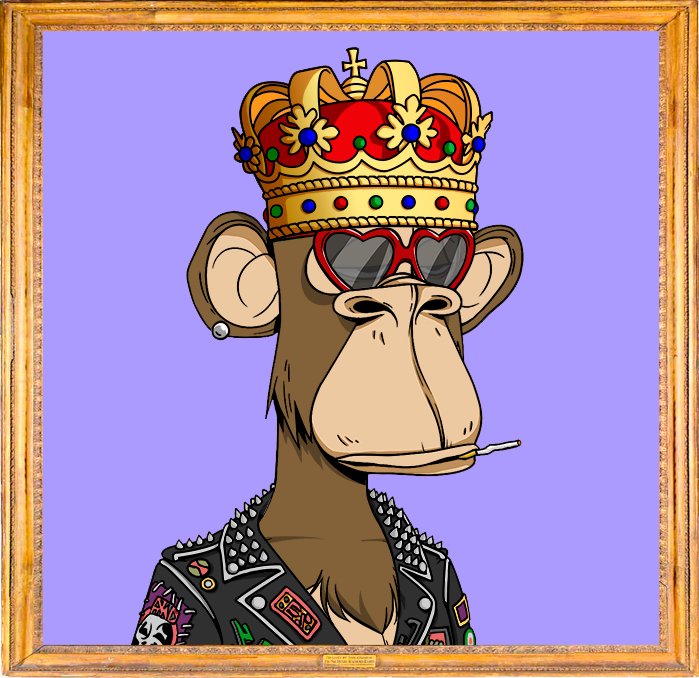
Bored Apes and the Banana Peel of Wrong Livelihood
Boiled down to it’s purest form, Right Livelihood is simply making a living in a way that is not harmful and is ethically positive. Most people involved in the NFT craze approached the situation with Right Intention. They were excited that a new technology could revolutionize the world and the way we handle ownership of digital art. However, there were also a few bad actors that hijacked the movement for their own personal gain. They approached the potential revolution with wrong intention. Greed swayed them, and they leveraged the phenomenon to fuel their own success without intending to follow Right Livelihood.
Many online users claim the owners of the Bored Ape Yacht Club were guilty of wrong livelihood. They believe the whole enterprise to be nothing more than a scam. Yet others disagree. The BAYC opened a private bar where Bored Ape NFT owners could meet and network with each other, they donated money to animal charities, they even produced a series of films called “The Degen Trilogy” and offered NFT holders $10,000 to create a backstory for their apes that could potentially appear in the movies. While their main intent was to make money for themselves, they were also unknowingly following the wisdom of the Adiya Sutta and striving to make their friends and family happy.
Other NFT merchants weren’t as eager to spread the wealth or build a Sanga of investors. There were various scams associated with the NFT movement. The first being a “pump and dump” scam, which is an illegal act where someone raises the price of an asset, or in this case NFT, with false or misleading claims and selling once the stock price has risen following a surge in interest. Another example is a “Rug Pull” scam. In this instance a NFT developer promotes an NFT project to attract investors, then unexpectedly abandons the project and disappears with all of the investors money. Many people knowingly sold fake NFTs.” Not to mention phishing attacks where NFTs were stolen from their rightful owners. And finally bidding scams, where NFT creators would hold auctions and use bots to artificially drive up the price in the auction process.
Despite the actions of a few bad actors, you can’t say NFTs were inherently a bad livelihood. Yet, like with all industries, there were opportunities for individuals with no intention of Right Livelihood to take advantage of others. While creators of the BAYC were trying to elevate their friends and build a Sanga, others were trying to make a quick buck at other people’s expense. While the boom and bust cycle of NFTs has come and gone the lessons learned from it will last forever. Investors that lost their shirts learned valuable lessons about non-attachment, anyone involved learned about dependent origination and how it influences our perceived value of an object, and defrauders that took advantage of others and cultivated bad karma will deal with the consequences of their choices in this life and the next.