
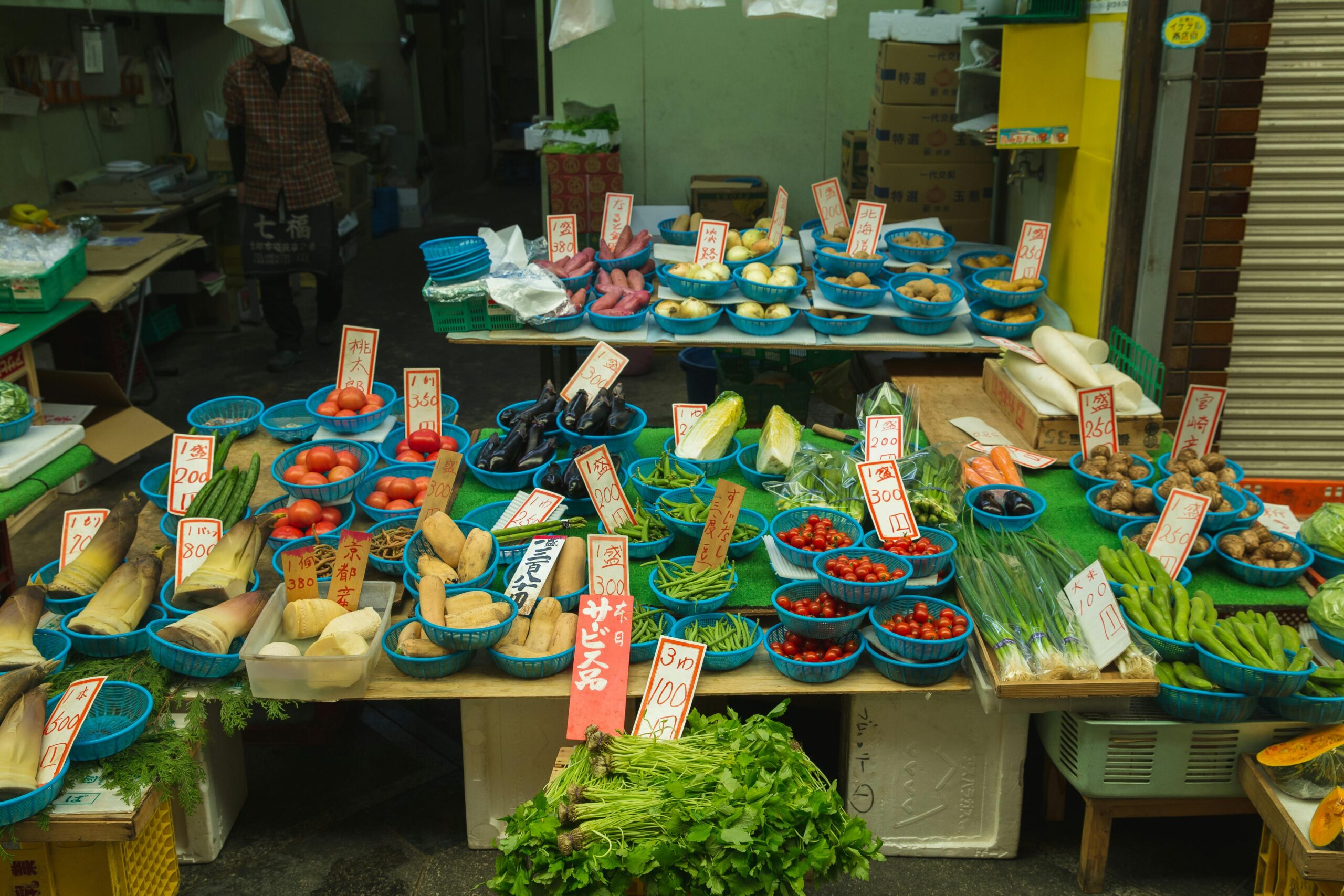
Shojin Ryori is the traditional cuisine of Zen Buddhist monks. It is historically vegetarian, and usually vegan, due to its roots in the Buddhist concept of non-violence. But some modern iterations include animal products like milk and cheese. Each meal is typically made up of several small bowls with an emphasis on using only local seasonal ingredients. Fresh cooling cucumber in the summer, warm savory root vegetables in the winter and various mountain vegetables in the spring. This gives Shojin Ryori dishes the unique ability to change throughout the year to match the season. The food should be colorful, with all five taste profiles incorporated: sweet, sour, salty, bitter, and umami.
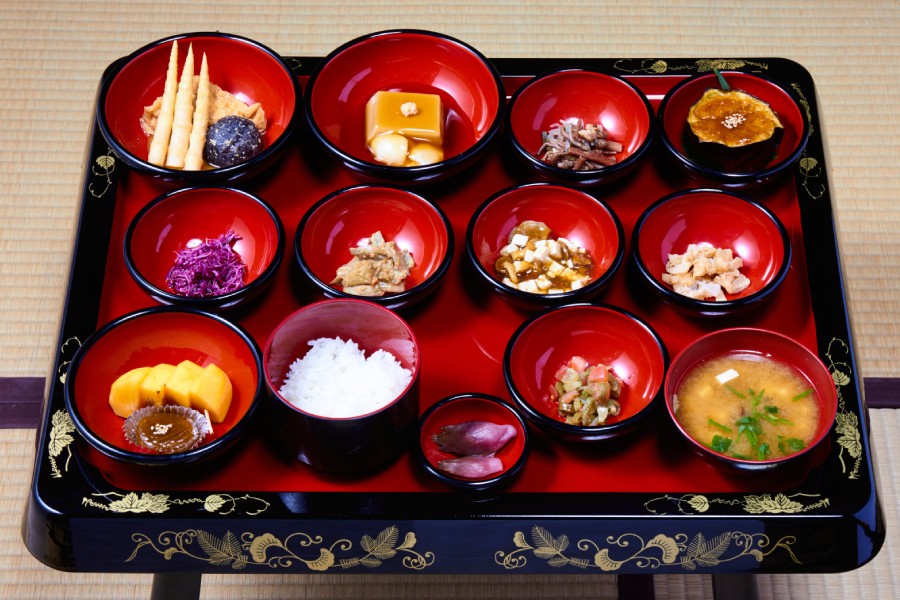
The cuisine is designed to provide nourishment to one’s body for the purpose of aiding in meditation. As such, strong smelling plants are discouraged from being used because they’re thought to have a detrimental effects on meditation practice. Foods to be avoided include the ‘Five Acrid and Strong-smelling Vegetables‘ which are onion, garlic, leeks, cabbage and radish. While many people may assume avoiding pungent vegetables makes Shojin Ryori boring, it is anything but! In addition to incorporating every flavor profile, Shojin Ryori meals should include five colors: yellow, green, black, red, and white. This creates a meal that is not just pleasant to your sense of taste and smell, but also sight!
There’s one more ‘rule of five’ necessary to create a traditional Shojin Ryori meal. Five methods of cooking are commonly used: boiling, steaming, roasting, stewing or braising, and raw. While following a set of stringent rules may seem strange to non-practitioners, many of the rules applied to Shojin Ryori are based on Zen Buddhist monk Dōgen Zenji’s “Instructions to the Tenzo“. A set of rules and regulations for mindful cooking for the head cook of a Buddhist monastery. Dōgen’s “instructions to the Tenzo” were so influential in the Buddhist community that they’ve become a fundamental building block of Shojin Ryori cuisine.
Ingredients are separated in small bowls because Dōgen said that each ingredient should be treated with the utmost respect, “as carefully as if they were your own eyes”. Each item is locally curated based on seasonality due to Dōgen’s belief that meticulous detail should be put into the acquisition and preparation of each ingredient. Dōgen also believed that no food should go to waste. As a result, Shojin Ryori recipies will often call for vegetable scraps to be added to soup stock and the water that was used to wash rice is often also repurposed as broth. Thicker vegetables like daikon are pickled for consumption rather than tossed out.
There are many variations on Shojin Ryori due to the seasonal nature of the dishes. Despite Shojin Ryorin being an ancient style of preparing food you may be surprised to hear that everyone reading this article has likely seen a variation on Shojin Ryori at a restaurant within just a short drive from their home. We’ll discuss how you can get your hands on a Shojin Ryori dish later in this article.
What Does Shojin Ryori Mean?
When directly translated from Japanese the syllables of Shojin Ryori mean:
Sho (精) to concentrate or focus.
Jin (進) to move forward or advance.
Shojin (精進) to reflect or focus constantly.
Ryori (料理) cuisine or cooking.
A Brief History of Shojin Ryori
Shojin Ryori is believed to have been brought to Japan from China in the 6th century when Buddhism was first introduced. Consumption of Shojin Ryori spread with Zen Buddhism, becoming more common as Zen Buddhism swept through Japan. While Shojin Ryori existed long before Dōgen, he is credited for popularizing the cuisine in its modern form. In his manual “Tenzo Kyokun”, or as it’s known in the West, “Instructions to the Tenzo”, Dogen emphasized not just the respect and care needed for ingredients but also preparation methods with a particular zen focus that he believed was necessary for the Japanese monks to prepare the dishes properly. His emphasis on mindful cooking led to the emphasis on quality ingredients, separation of ingredients into their signature bowls, and focus on ‘ahimsa’ or compassion.
Try Shojin Ryori At Your Local Chinese Takeout Restaurant
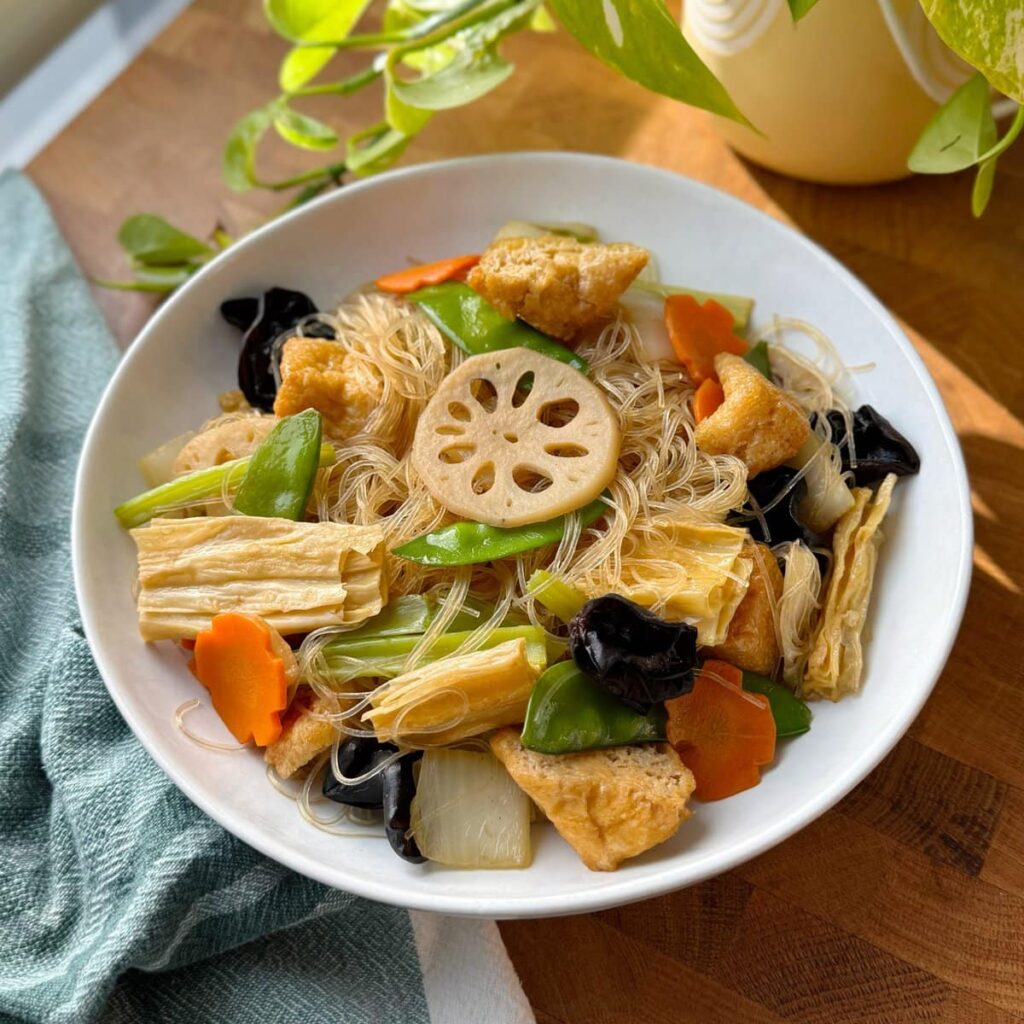
Many people don’t realize that their local Chinese takeout restaurant offers a Shojin Ryori dish: Buddha’s Delight! This ancient cooking style has quietly invaded American culture through americanized Chinese takeout restaurants across the country. Nearly every Chinese takeout restaurant offers Buddha’s Delight as a vegetarian alternative to the Mongolian Beef, General Tso’s chicken and other meat based dishes that have become common in Chinese restaurants across America.
Although the dish has traditionally been consumed by Japanese Buddhists, it made it’s way onto Chinese takeout restaurants due to it’s popularity as a “beginning of the year” meal. On the first five days of the Chinese New Year man Chinese families adopted the old Buddhist practice of maintaining a vegetarian diet as a way to purify the body and soul. As vegetarian and vegan diets grew in popularity in the United States many Chinese restaurants began offering Buddha’s Delight was a way to accommodate their non-meat eating customers.
The Best Shojin Ryori Recipies You Can Make at Home
Kenchin Jiru – A delightful vegan soup featuring mushroom, crushed tofu and sweet potato. It is rumored to have been created after a a young monk dropped a fresh block of tofu onto the kitchen floor.
Goma Dofu – The delightful sesame tofu that isn’t actually tofu. It looks like tofu, it tastes like tofu, but it isn’t tofu! This delicious tofu alterative is made from ground sesame paste, water, and kuzu or kudzu powder instead of coagulated soy milk.
Shiro-ae – A mashed tofu salad that is typically served as a side dish in Japanese cuisine. Tofu is mashed with spinach, carrot, green beans, shimeji mushrooms, edible chrysanthemum, konjac, and seaweeds such as hijiki to create a creamy and nutritious meal.
Nasu Dengaku – Broiled, or sometimes deepfried, eggplant brushed with a sweet and savory miso sauce. The result is a savory, smoky and sweet dish that can be prepared in as little as 15 minutes!
Namasu – Enjoy this raw daikon and carrot salad when you want a colorful and nutritious meal but don’t feel like cooking. This dish is lightly pickled in sweetened vinegar and typically enjoyed during Osechi Ryori, as a traditional Japanese New Year food.
If none of the recipes above are tantalizing your tastebuds, or you just don’t feel like preparing food, remember to visit your local Chinese Takeout spot to sample their version of Buddha’s Delight!