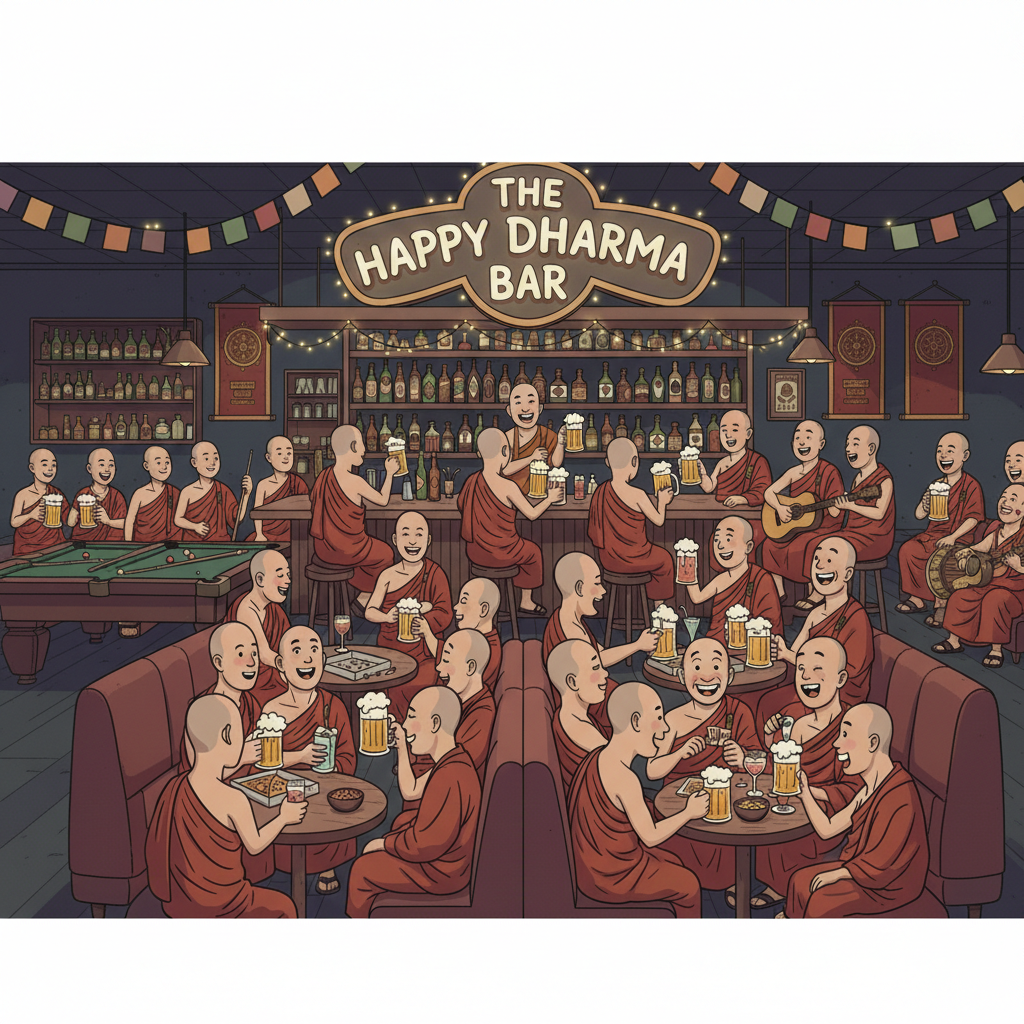
Westerners are putting down the bottle. The percentage of U.S. adults who consume alcohol has dropped to 54% in 2025, the lowest rate in nearly a century. Inadvertently following in the footsteps of Buddhist Monks, who are prohibited from consuming alcohol. However, in the modern world, consuming alcohol can sometimes feel inescapable. Grabbing a drink at happy hour to loosen you up, sipping on a beer at a sporting event or toasting to happy couples on their wedding day has become so ingrained in our culture that it can feel unavoidable. While we can’t look to directly to monks because they abstain from alcohol, we can apply Buddhist wisdom regarding the giving of alms as a framework for drinking responsibly.
Can Buddhist Monks Drink Alcohol?
The short answer is no. While there are some exceptions, most traditions strictly prohibit both Monks and laypeople from consuming alcohol in any situation. This guidance comes directly from the Buddha himself. In early Suttas, the Buddha laid out a set of guidelines for Monks and laypeople to avoid unwholesome actions, accumulate good karma, and foster a peaceful society for all. These guidelines are known as “The Five Precepts“. They state that individuals should avoid the following behaviors:
- Killing: Refraining from taking the life of any living being.
- Stealing: Refraining from taking what is not given.
- Sexual Misconduct: Refraining from harmful sexual behavior.
- False Speech: Refraining from lying, harsh speech, or gossip.
- Intoxicants: Refraining from substances that cloud the mind (alcohol/drugs).
The final precept, avoiding intoxicants, is the root of many practitioner’s abstention from alcohol. The Buddha believed that intoxicants, like alcohol, clouded wisdom or “paññā“. Undermined mindfulness or “sati”. And made it more likely that an individual would break the other precepts and accrue bad karma.
How can you drink like a Buddhist Monk if Buddhist Monks don’t drink? By following some wisdom from another precept: No killing or causing harm to other living beings.
The Monk-style Rule on Eating Meat
One of the most common misconceptions about Buddhist Monks is that they don’t eat meat under any circumstances and are strict vegetarians. While this is generally true, Theravāda Monks will eat meat if three conditions are met. Theravāda Monks will eat meat if they did not:
- See the animal being killed for them
- Hear it being killed for them
- Suspect it was killed specifically for them
They make this concession due to the ancient practice of receiving alms from laypeople. In ancient India, China and Japan Buddhist monks would devote themselves so fully to their practice that they were forced to neglect their basic needs. Such as cooking or foraging for food. In order to sustain themselves, the Monks would walk through the streets of nearby towns with a small bowl if their monastery did not employ a “Tenzo“, who was a monk that devoted themselves to feeding the sangha. Laypeople would donate food to these Monks once a day so they could continue their practice. In exchange for these scraps of food laypeople would accumulate good Karma and spiritual guidance from these Monks.
This practice did create some ethical issues for the Monks. In many villages, food was scarce. There would be times where laypeople only had meat to give. In order to preserve the interdependence of the lay and monastic communities Theravāda Monks chose to consume meat given to them, as long as it met the conditions above.
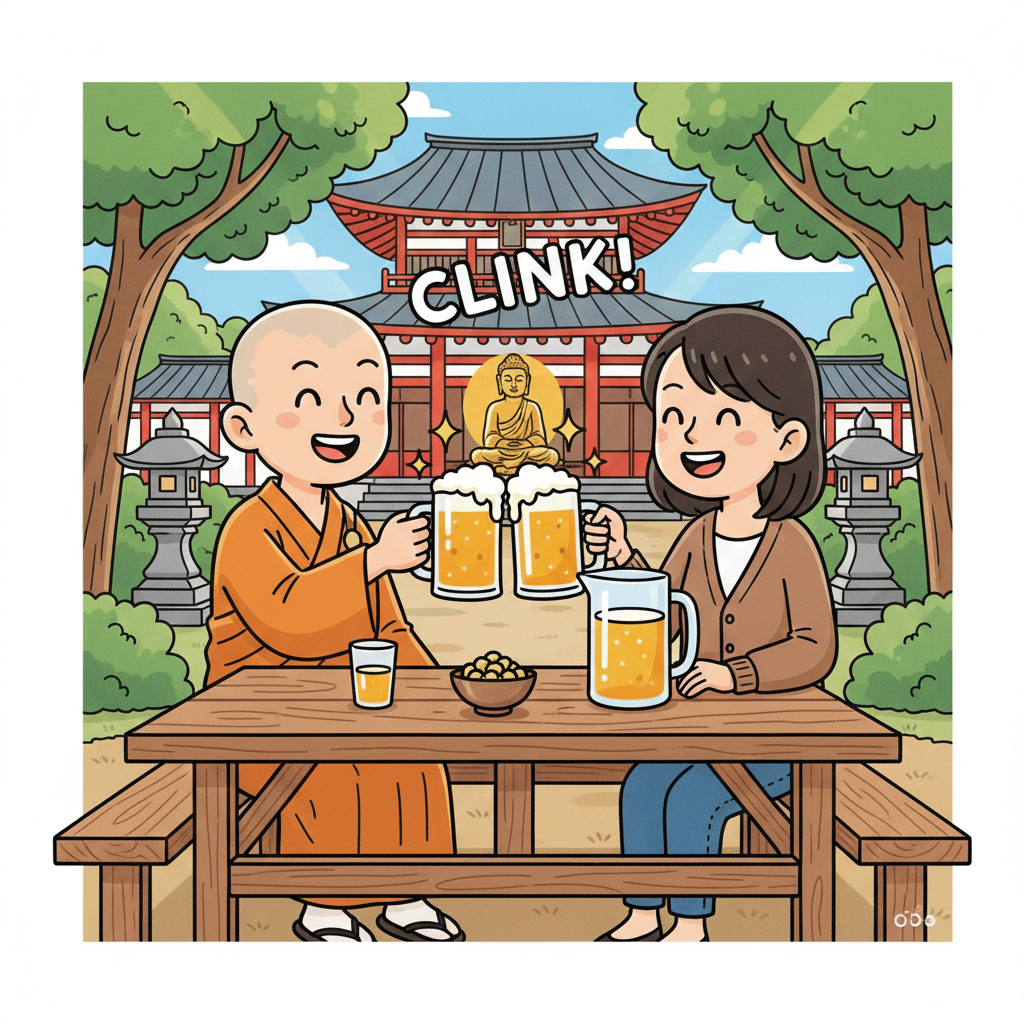
Applying The Monk-Style Rule on Eating Meat To Alcohol Consumption
The best way to “Drink like a Buddhist Monk” is to abstain from alcohol completely. But in the modern world, that is not always feasible. The social pressure put on people can make consumption feel unavoidable. In order to appease modern demands and social norms we’ve assembled a framework to drink responsibly based on Theravāda Monk’s rules around eating meat.
Avoid Heedlessness and Craving
When deciding whether or not to drink, ask yourself the following questions:
- Am I drinking because I’m chasing pleasure or escape?
- Am I strengthening a habit of numbing instead of knowing?
- Does this increase the likelihood of carelessness or harm?
Theravāda Monks allow themselves to consume meat based on the intention behind the consumption. They will allow consumption of meat if it’s unavoidable and will only eat meat if there is no desire to eat meat. If there is a desire to eat meat it’s considered a violation of the fifth precept. So, taking a sip of champagne to celebrate a special event during a toast isn’t a violation of the fifth precept. It’s conformity to a social expectation. However, having a drink to de-stress after a hard day would be considered a violation because the action is the result of a desire to “take the edge off”.
Avoid Intoxication
The Buddha was very clear that intoxication of the mind prevented awakening. If you’re in a situation where consumption seems unavoidable, choose a lower alcohol option. Slowly sipping on a 3.5% alcohol beer allows you to imbibe without the mental impact. A double scotch on the rocks consumed quickly will quickly spike your blood alcohol content. But drinking small amounts of alcohol over a long period of time allows your body to process the alcohol without the mental effects. Keep in mind that it is possible to consume alcohol without becoming impaired. Ideally, you would want to avoid it completely, but if you’re in a situation where you feel pressured into drinking, do it responsibly. Don’t drink too much too quickly, don’t drink on an empty stomach, and pace yourself to avoid clouding the mind.
Do Not Take What Isn’t Freely Given
The second precept, “Not Stealing”, is sometimes interpreted as “not taking what is not freely given”. In the context of alcohol this could be interpreted as only accepting drinks when they are offered and it would be considered rude to refuse. By only accepting drinks when they’re offered, you avoid the risk of over consuming.
Treat alcohol as a Theravāda Monk treats alms. Accept what is offered, but don’t allow craving or desire to impact your choices. In the same vein of thought, treat alcohol as Theravāda Monk’s treat the consumption of meat. Do not drink alcohol if you think it was purchased specifically for you. If you’re in a group setting where everyone is drinking, allow yourself a low alcohol option so that you can avoid offending your host or becoming intoxicated. Do not purchase alcohol for yourself. Purchasing alcohol for yourself enables the intention or desire to drink and become intoxicated at a later time.
Can You Drink Like a Buddhist Monk?
Finally, be honest with yourself. One in ten Americans struggle with alcohol abuse or addiction, according to the National Institute on Alcohol Abuse and Alcoholism. If you struggle with maintaining a healthy relationship with alcohol and find its best to avoid completely, avoid it completely. Follow directly in the footsteps of devout Buddhist Monks. While you may feel pressured to drink in order to avoid offending someone or not fitting in, it may not be worth the negative Karma it may create. If you fear that even a sip of alcohol will start you down a path that you cannot control, there’s nothing wrong with refraining completely. Keep in mind that you’re following the direct advice of The Buddha himself to stay strong when tempted.