
Some early Buddhist texts denounced music. Claiming it was nothing more than a sensory distraction pulling practitioners away from their meditation practice. Theravada Buddhist precepts prohibit monastics from singing, dancing or even listening to music. In spite of these ancient rules, there have been countless songs inspired by the ancient mind science that is Buddhism. We’ve complied a list of songs either directly inspired by their artist’s own Buddhist practice, or slyly carrying Buddhist wisdom in their lyrics. These aren’t stuffy old mantra’s being chanted by Monks during rituals. These are modern bangers you can get up and shake your sacral and root chakras to.
Bodhisattva Vow – Beastie Boys
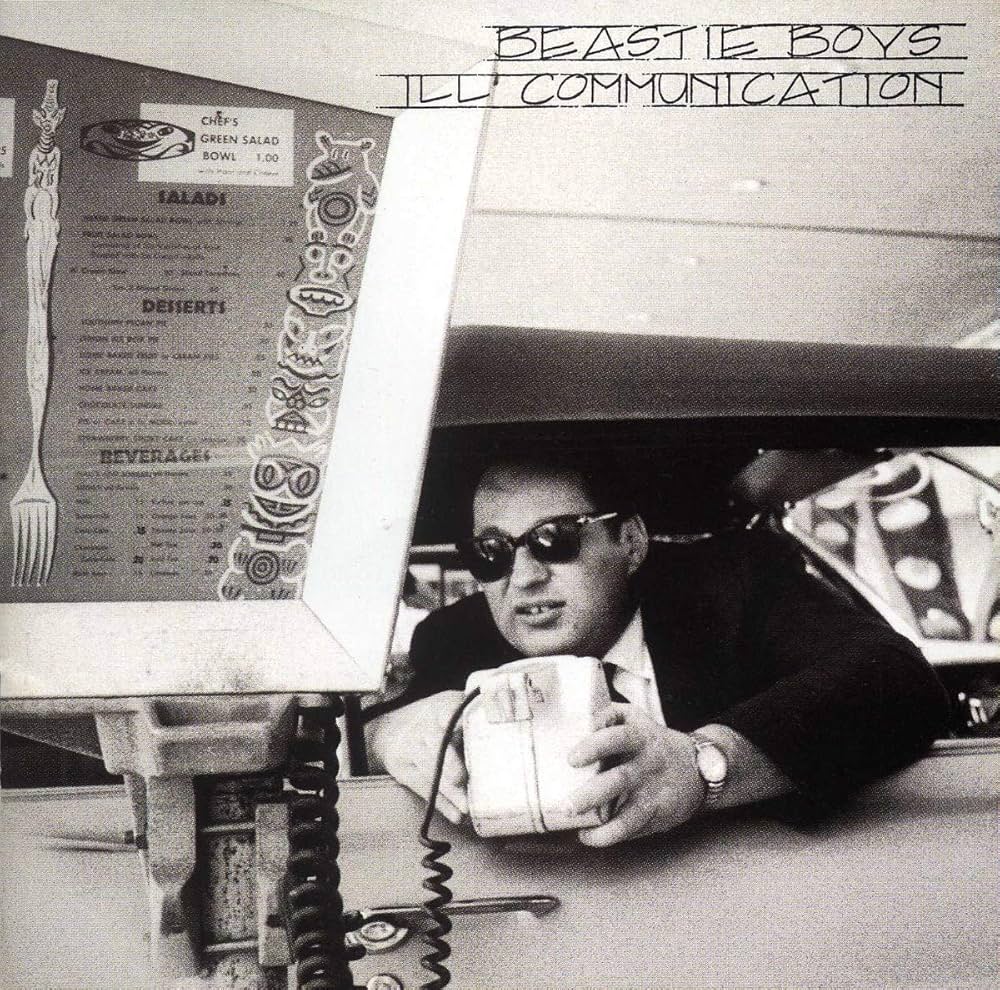
Adam “MCA” Yauch was a founding member of the critically acclaimed hip-hop group “The Beastie Boys”. He’s best known for ripping mics, spitting clean bars and fighting for everyone’s right to “PAAAAARRRR-TAY!”. Yet not everyone knows Yauch was also a card-carrying Tibetan Buddhist. Which is hard to believe if you’ve ever listened to the 19th track on the group’s album “Ill Communication” titled “Bodhisattva Vow”. One of the most quintessential Buddhist songs of the 20th century.
As I develop the awakening mind
I praise the Buddhas as they shine
I bow before you as I travel my path
To join your ranks, I make my full-time task
–Bodhisattva Vow, Ill Communication
Yauch wrote the song with the specific intention to express his commitment to Buddhism to the general public. Released in 1994, the song touches on themes of equanimity, taking refuge in the Dharma, the interconnectedness of all sentient beings and, obviously, the Bodhisattva Vow. A beat composed almost entirely of chanting Buddhist monks carries these introspective lyrics. The song marked a metamorphosis for the group. It came at a time when they were actively changing their image and sound from raucous “frat-rappers” to mature, introspective artists. The Buddhist anthem foreshadowed the “Tibetan Freedom Concerts” Yauch would go on to organize two years later.
Thank u – Alanis Morissette
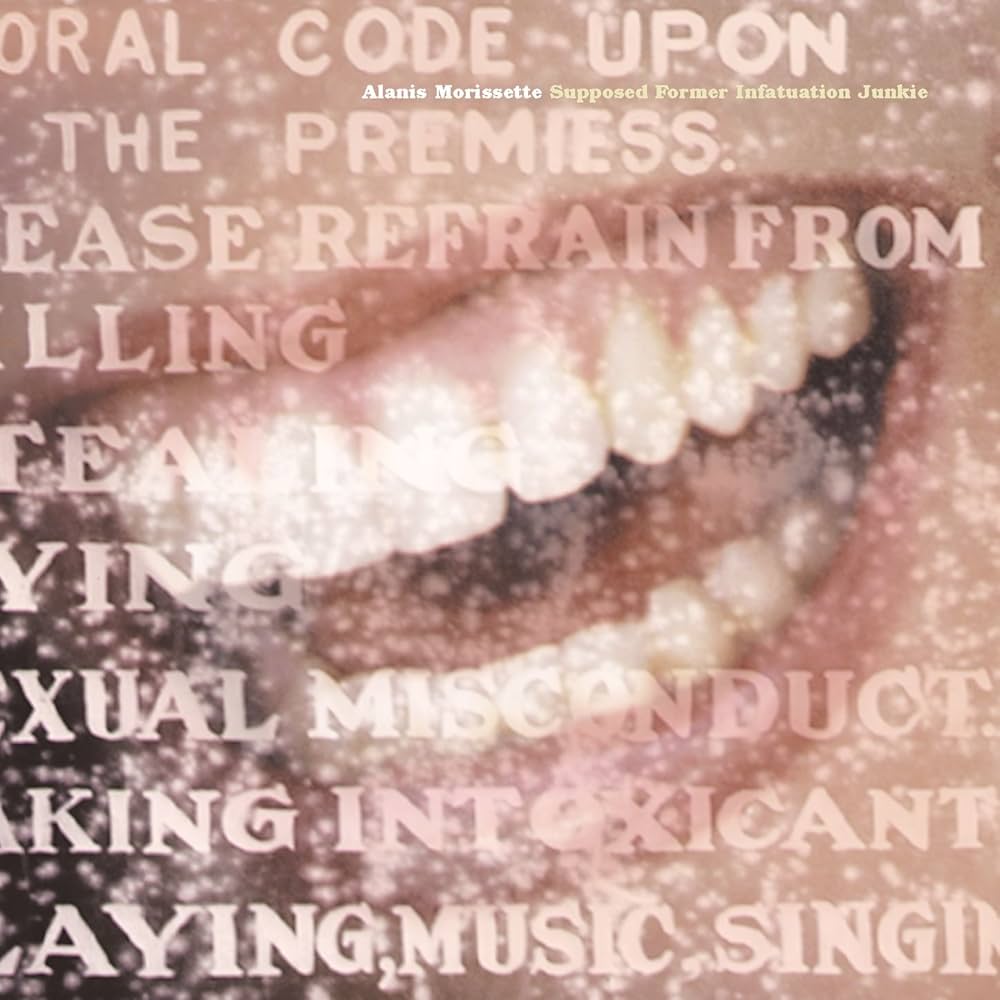
Alanis Morissette was raised as a Roman Catholic, and even played the role of “Jesus Christ” in Kevin Smith’s cult classic flim “Dogma”. Despite of her ties to Christianity, she spent most of the 1990’s exploring eastern spirituality and incorporating some of those themes into her music. She’s not a Buddhist. But she has stated on her podcast “Conversation with Alanis Morissette” that she meditates daily and studies equanimity and non-duality. “Thank U” was written after her soul-searching trip to India in 1997.
Thank you, India
Thank you, Providence
Thank you, disillusionment
Thank you, nothingness
Thank you, clarity
Thank you, thank you, silence
–Thank U, Supposed Former Infatuation Junkie
Morissette traveled to India during a period of her life where she was feeling burned out and overwhelmed. The success of her hit album “Jagged Little Pill” left the artist feeling trapped in the modern cycle of endless productivity. Without an opportunity to rest and take an introspective look at the “self”. She had no itinerary, agenda, direction or intention to write Buddhist songs. She set out with the intention to simply observe, reset and breathe. Morissette told MTV:
“Basically, I had never stopped in my whole life, hadn’t taken a long breath, and I took a year and a half off and basically learned how to do that. When I did stop and I was silent and I breathed… I was just left with an immense amount of gratitude, and inspiration, and love, and bliss, and that’s where the song came from, you know.”
The singer songwriter underwent a deep spiritual transformation while traveling the globe. The reset allowed her to connect with her own self and the concepts of non-duality, equanimity and gratitude. She attributes this change to various Hindu and Buddhist ideas rooted in Indian culture. Including the seeds of mindfulness Siddhartha Gautama planted in that same region thousands of years before Morissette arrived. “Thank U” has been described by Morissette as “a deep breath put to music”. She calls it a subtle nod to the meditation practices first established by The Buddha. As well as the benefits of said practice. Her trip and transformation would remain a constant theme in her life, spurring her to perform at the Tibetan Freedom Concerts created by Beastie Boy Adam Yauch mentioned earlier in this article. Isn’t that ironic?
Thanks for the Dance – Leonard Cohen
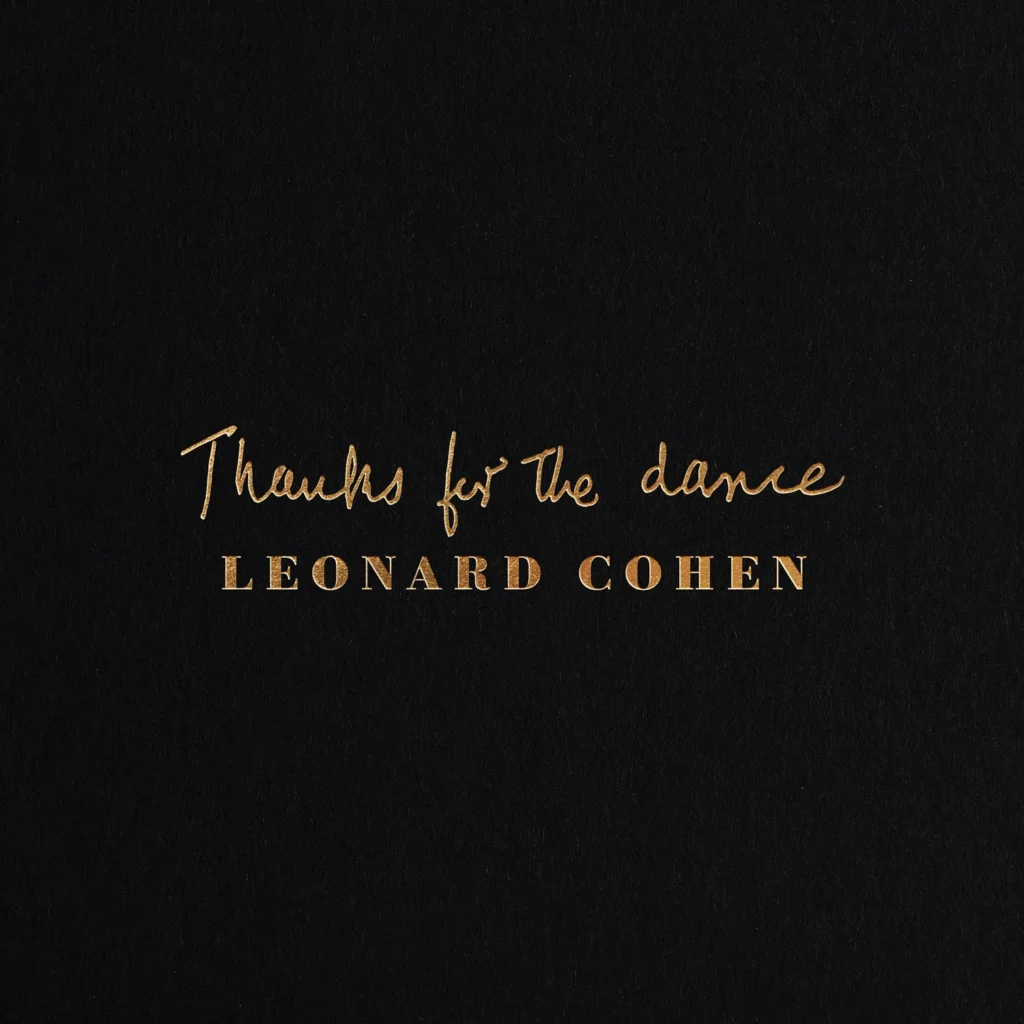
We promised you some Buddhist inspired songs, how about a full album? Thanks for the Dance is the fifteenth and final studio album by Canadian singer-songwriter, poet, novelist and ordained Zen Buddhist Monk Leonard Cohen. Cohen’s son, Adam Cohen, released the album posthumously in collaboration with Columbia Records. It is considered a “continuation” of “You Want It Darker.” Which was Cohen’s final album that was released just 17 days before his death. Even as leukemia and major health complications began to take their toll, Cohen kept writing. As such, many of the songs touch on themes of impermanence, samsara and nirvana.
It was fine, it was fast
We were first, we were last
In line at the Temple of Pleasure
But the green was so green
And the blue was so blue
I was so I
And you were so you
–Thanks for the Dance, Thanks for the Dance
Given the context of his health while writing these songs, many of them aren’t exactly songs you want to get up and dance to. Instead, the album weaves introspective lyrics over bluesy chord progressions. Leaving listeners contemplating the meaning of life in a melancholy contemplative state of mind.
Cohen was born an Orthodox Jew in Westmount, Quebec, Canada in 1934. In the 1970’s he began visiting Mount Baldy Zen Center to study under, and serve as the personal assistant of, rōshi Kyozan Joshu Sasaki. Sasaki was a controversial figure in the Buddhist world. Responsible for establishing a network of monasteries in the West, and also accused of decades of inappropriate sexual misconduct. Cohen spent most of the 1990’s cloistered at Mount Baldy studying under Sasaki. Which was approximately twenty years before the sexual misconduct allegations came to light.
Despite Sasaki’s controversial behavior, Cohen left his tutelage with a burst of creativity and reemerged in the music scene. Calling his relationship with Sasaki “a liberating kind of love.” Prior to studying under Sasaki, Cohen claimed he was struggling with deep feelings of depression and ennui, and he attributes Zen Buddhism to breaking him out of this cycle.
Cohen released several albums after leaving Mount Baldy Zen Center with a refreshed perspective on life. Buddhist themes and teachings began to weave their way through his music from that moment on. Resulting in a plethora of Buddhist inspired songs and albums including “Happens to the Heart,” “Love Itself,” and “Anthem.“
Present Tense – Pearl Jam
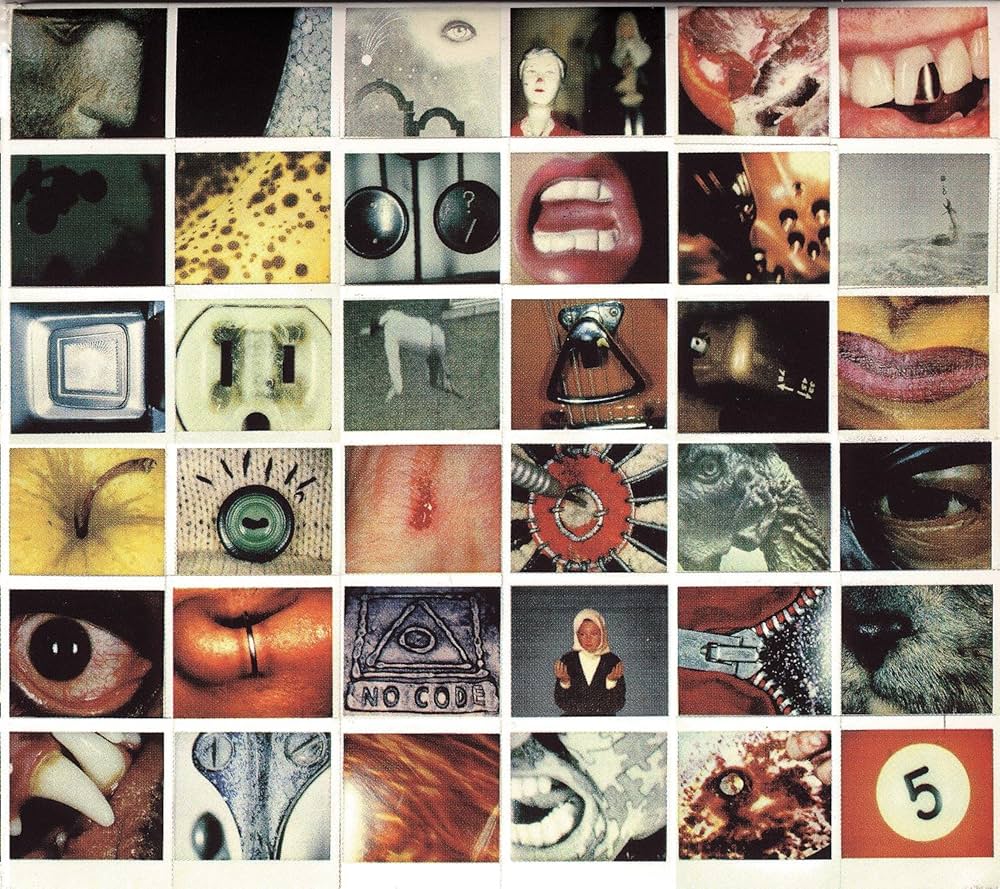
Pearl Jam’s lead singer, Eddie Vedder, is a self-described atheist and the band and its members don’t have any direct ties to Buddhism like some of the other artists on this list. But that hasn’t stopped them from weaving Buddhist wisdom into their music. Their strongest ties to Buddhism come from their participation in Adam Yauch’s tibetan freedom concerts. Despite a lack of a formal connection to Buddhism, the band has released some of the most iconic modern Buddhist songs. Through incorporating Buddhist beliefs into their lyrics and laying them over hard hitting grunge and rock guitar riffs.
Are you gettin’ something out of this all encompassing trip?
You can spend your time alone redigesting past regrets oh…
Or you can come to terms and realize
You’re the only one who can forgive yourself oh yeah…
Makes much more sense to live in the present tense…
–Present Tense, No Code
While Vedder and his bandmates weren’t practicing Buddhists, they were big proponents of Transcendental Meditation. A form of meditation that is technically secular, but grounded in Buddhist mediation practice.
Many of Pearl Jam’s songs touched on the concept of mindfulness and Buddhism before it was mainstream. “Present Tense” promotes mindfulness and the futility of dwelling on the past or “re-digesting past regrets.” “Just Breathe” was inspired by the act of utilizing breathwork to ground one’s self. Much like Buddhist practitioners do during traditional seated meditation practice. Vedder wrote ‘The Long Road’ after his stepfather, Peter Mueller, passed away, layering the universal experience of suffering over a meditative musical structure.
Peace – Weezer
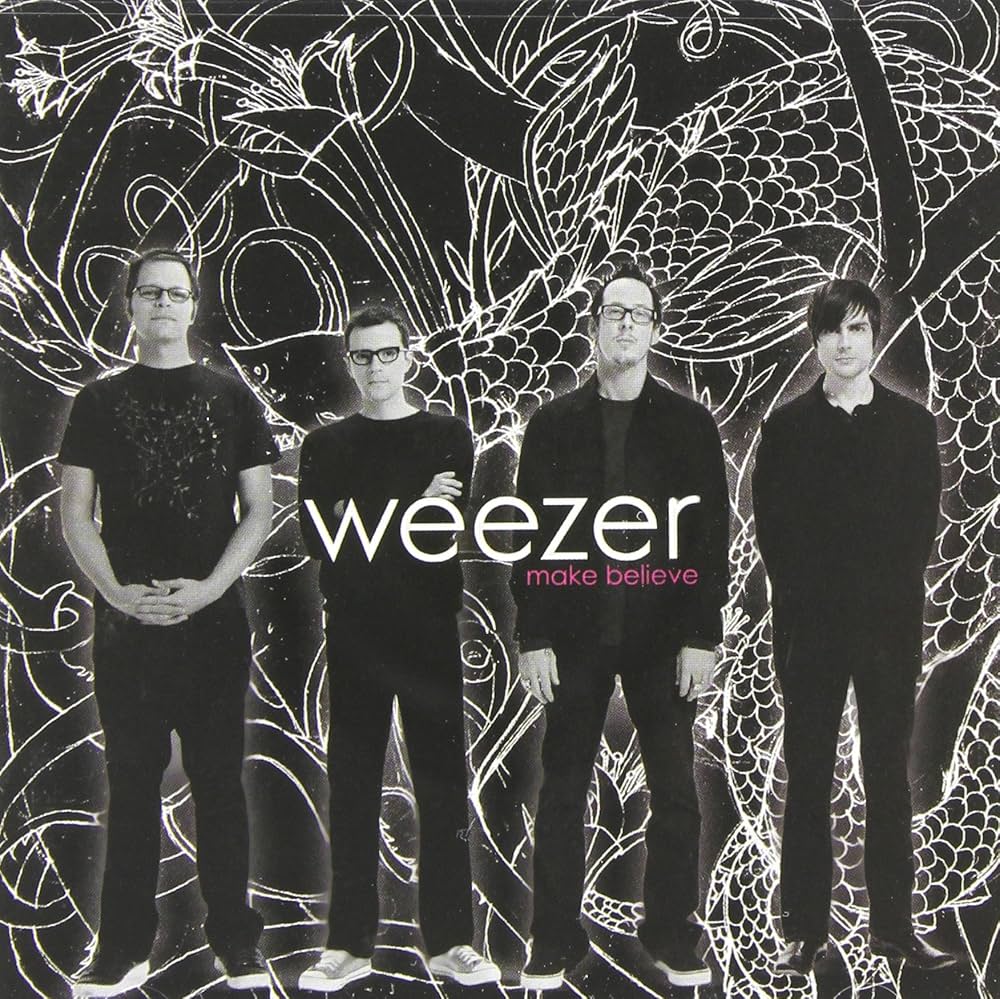
Weezer’s front man, Rivers Cuomo, has some of the strongest ties to Buddhism of any artists on our list. Cuomo was born in New York City and raised in various Buddhist communities throughout New York state. His father was active at the Rochester Zen Center in Rochester, New York. He brought Cuomo to many services and community events until he left the family when Cuomo was only five years old. Taking a page out of Morissette’s book of irony, Cuomo’s mother moved the family to the aptly named Yogaville in Connecticut.
More and more, I can’t say no
So afraid of letting go
If there’s something I can grab
You can bet I’ll pay the tab
–Peace, Make Believe
“Peace” was released as a track on the album “Make Believe”. Many of the songs on this album were written while Cuomo was engaging in an intense vow of celibacy and period of ardent Vipassana meditation practice. At the time, Cuomo believed his dedication to Vipassana meditation would calm his mind and fuel his music and inner creativity. A practice he later called “unhinged.” During this period, Cuomo would engage in daily two hour meditation sessions and yearly ten day retreats.
Despite his retrospective criticisms of his own “unhinged” practice, Cuomo still attributes much of his success to his meditation practice. Stating: “It definitely improves your concentration and creativity, even in rock music … it’s about fighting through whatever internal struggles there are, self-doubt and really focusing in on what it is you’re trying to say.“
Outside of “Peace” several other Weezer songs feature Buddhist inspired lyrics. “The Angel and the One” touches on the concept of non-attachment. “Pardon Me” is overflowing with references to loving-kindness meditation and forgiveness. “Smile” was written during a period when Cuomo was focused on dissolving his ego and understanding the non-duality of the self and others.